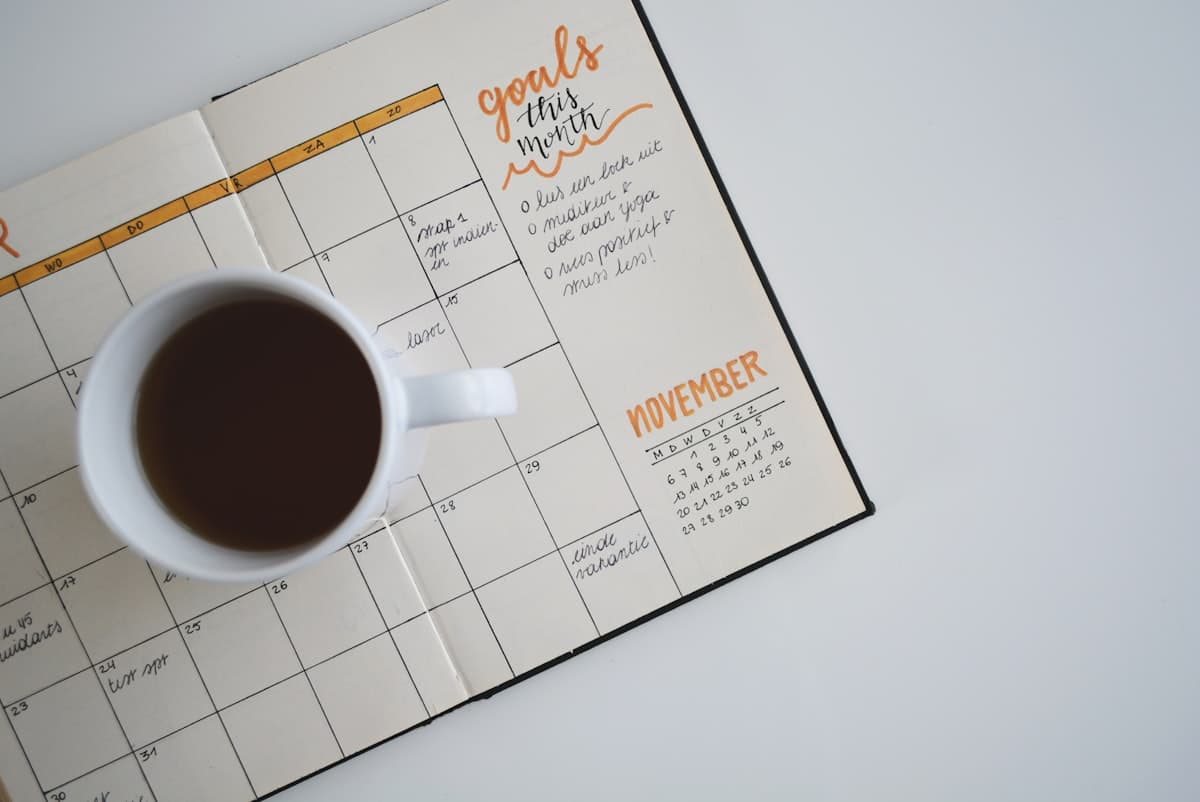
Journaling as a tool for managing anxiety
Naming the thing
Anxiety loves to stay abstract. A vague sense of dread is harder to deal with than a specific worry. Writing forces you to name what's actually bothering you.
“I'm anxious” becomes “I'm worried about the presentation on Thursday because I haven't started the slides.” One is paralyzing. The other has a next step.
The brain dump
When everything feels urgent, nothing gets prioritized. A brain dump — writing down every single thing on your mind without filtering — breaks the cycle.
Spend five minutes listing everything. Work deadlines, that email you forgot to reply to, the weird noise your car made, whether you remembered to water the plants. Get it all out. The list is always shorter than it feels in your head.
Patterns you can't see in real time
After a few weeks of journaling about anxiety, patterns emerge. Maybe Sundays are always hard. Maybe certain people consistently drain your energy. Maybe you spiral after too little sleep.
You can't fix what you can't see. A journal gives you the data to understand your own patterns — not through analysis, but through honest observation over time.
Not a replacement, but a companion
Journaling isn't therapy and it isn't medication. It's a tool that works alongside whatever else you're doing to manage your mental health.
What it does offer is a place to process things between appointments, between conversations, between the moments when support is available. A quiet, private space to untangle your thoughts — available whenever you need it.